Are Mercurials Really Back? Our First Real Test Of The New Vapor And Superfly
After testing both new Mercurial models in Madrid, we take a closer look at the biggest changes to Vapor and Superfly and what they actually feel like on pitch.
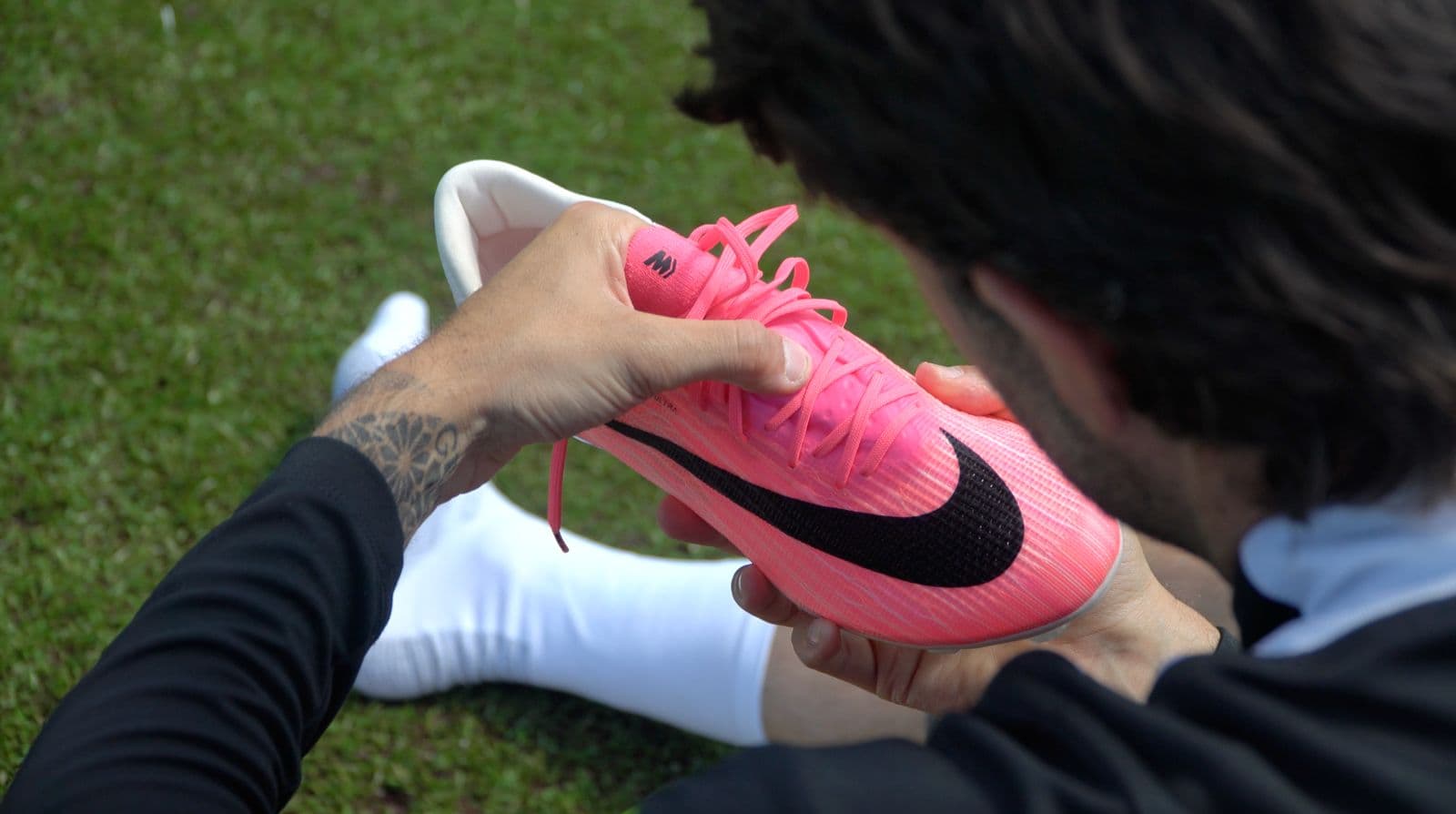
When Nike unveiled the new generation of Mercurial, the reaction was immediate. New visuals, new technology and, above all, a clear promise: bringing the silo back to the centre of the speed boot conversation. After exclusively testing both models in Madrid thanks to Nike Football and Hub Committee, we wanted to move beyond first impressions and marketing claims to understand what these boots actually feel like where it matters most: on pitch.
As always, our approach was simple. We used them during training sessions, repeated sprint work, changes of direction and match situations, trying to build an opinion based on real usage rather than launch day excitement. The result is a Mercurial line that feels more defined than it has in years, with Vapor and Superfly finally offering two distinct experiences rather than feeling like slight variations of the same product.

The Superfly immediately stands out for the sensation created by the new forefoot plate. Nike's goal was clearly to increase propulsion and energy return, and it is one of those updates that can genuinely be felt during use. The aggressive sensation underfoot becomes particularly noticeable when accelerating and attacking space, giving the boot a more explosive character than previous generations. It is a product that constantly encourages forward movement and rewards players who rely heavily on speed, quick changes of pace and repeated high intensity actions.
The Vapor takes a different route. Surprisingly, the most noticeable change is not speed or weight, but comfort. Mercurial has always been associated with responsiveness, lockdown and a close-to-the-foot fit, but rarely with comfort as its defining characteristic. This new Vapor feels different from the moment you put it on. The fit is more natural, the upper adapts more easily around the foot and the overall sensation is less aggressive without losing the connection to the ball that has always been part of the Mercurial DNA.
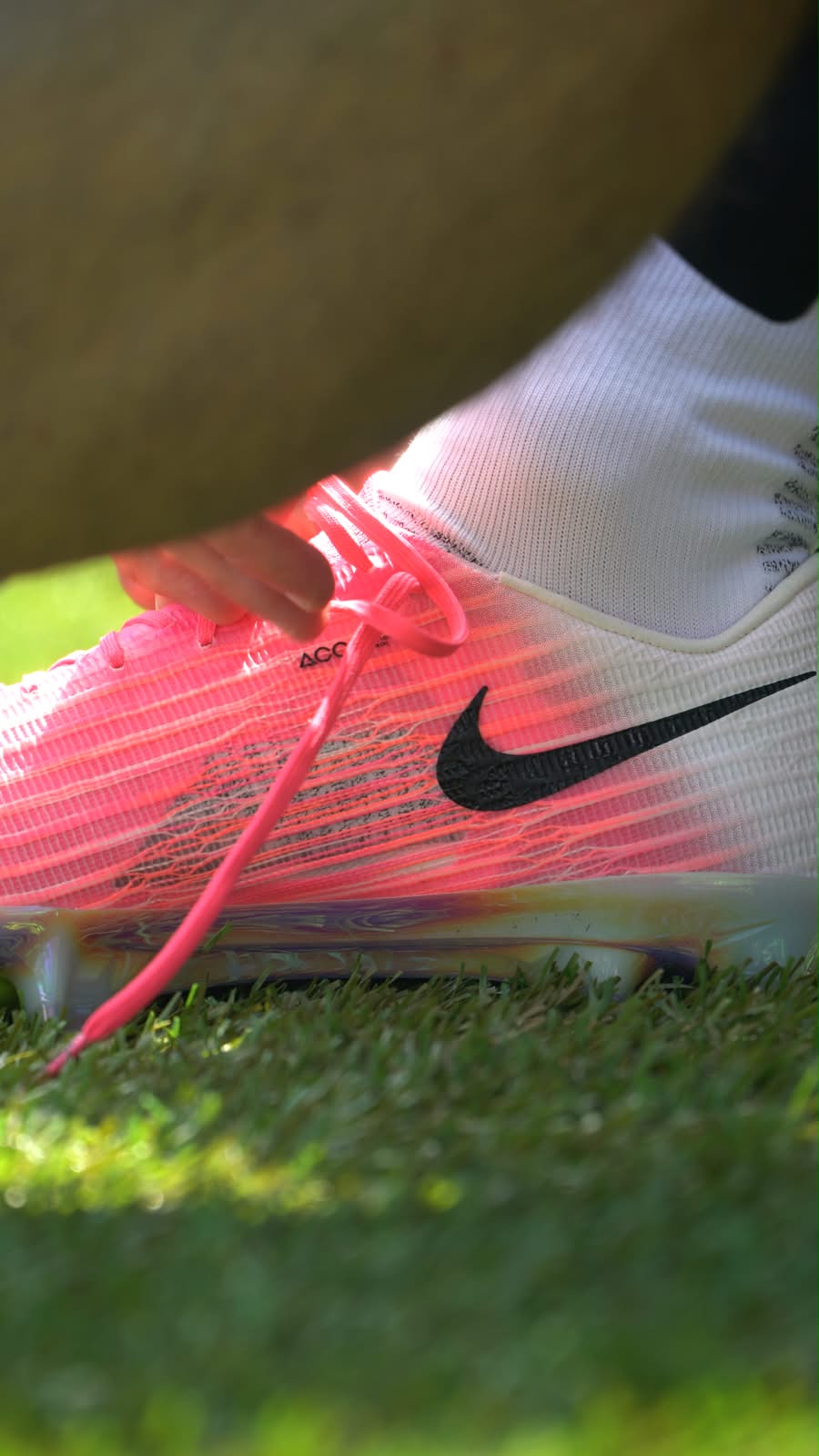
There are also several technical details worth highlighting. At just 150 grams, the Vapor becomes the lightest Mercurial ever produced, while the Superfly combines its speed-focused philosophy with an upper that offers noticeably more grip than many players might expect. Sizing was equally straightforward during our testing period, with both models feeling completely true to size for players already familiar with Nike football boots.
What stands out most after spending time with both boots is the clarity of their identities. The Superfly feels built around propulsion, aggression and energy return, while the Vapor focuses on delivering lightweight performance through a more comfortable and accessible package. Both remain unmistakably Mercurial, yet for the first time in a long while they feel like two products with genuinely different personalities.
This is only the beginning of our testing process and there is still plenty to explore, but the first impression is a positive one. More importantly, it feels like Nike has finally rediscovered what made Mercurial special in the first place: creating football boots that do not just look fast, but actually make players want to move faster the moment they put them on.